For the capitalists, this Great Recession could be more or less over, but the level of spare capacity in industry and construction together with the level of debt still owed by businesses, government and households alike mean that this recovery may be stunted. Every major capitalist economy now finds that it has more than 30% more capacity than it needs to meet demand. That is a record high of overcapacity in industry.
Enhanced climate change exists, and we are not currently living sustainably. There is little argument on these points. We all know that the earth has a natural cycle of warming and cooling, but humans are more than likely having a considerable effect on the current warming cycle. The industrialized countries alone, such as the US and much of Europe, have had a great effect on our air, and carbon levels are higher than in the last 2.1 million years, according to the journal Science. The gases entering our atmosphere are byproducts of capitalist industry and, to a lesser extent, our cars.
The capitalist system is passing through its deepest crisis since the 1930s and the Great Depression. The apologists of capitalism – including those in the labour movement – had completely ruled out such a scenario. After all, they explained, capitalism has changed and governments are now able to over-come any deficiencies experienced by the markets. They have learned the lessons of the 1930s.
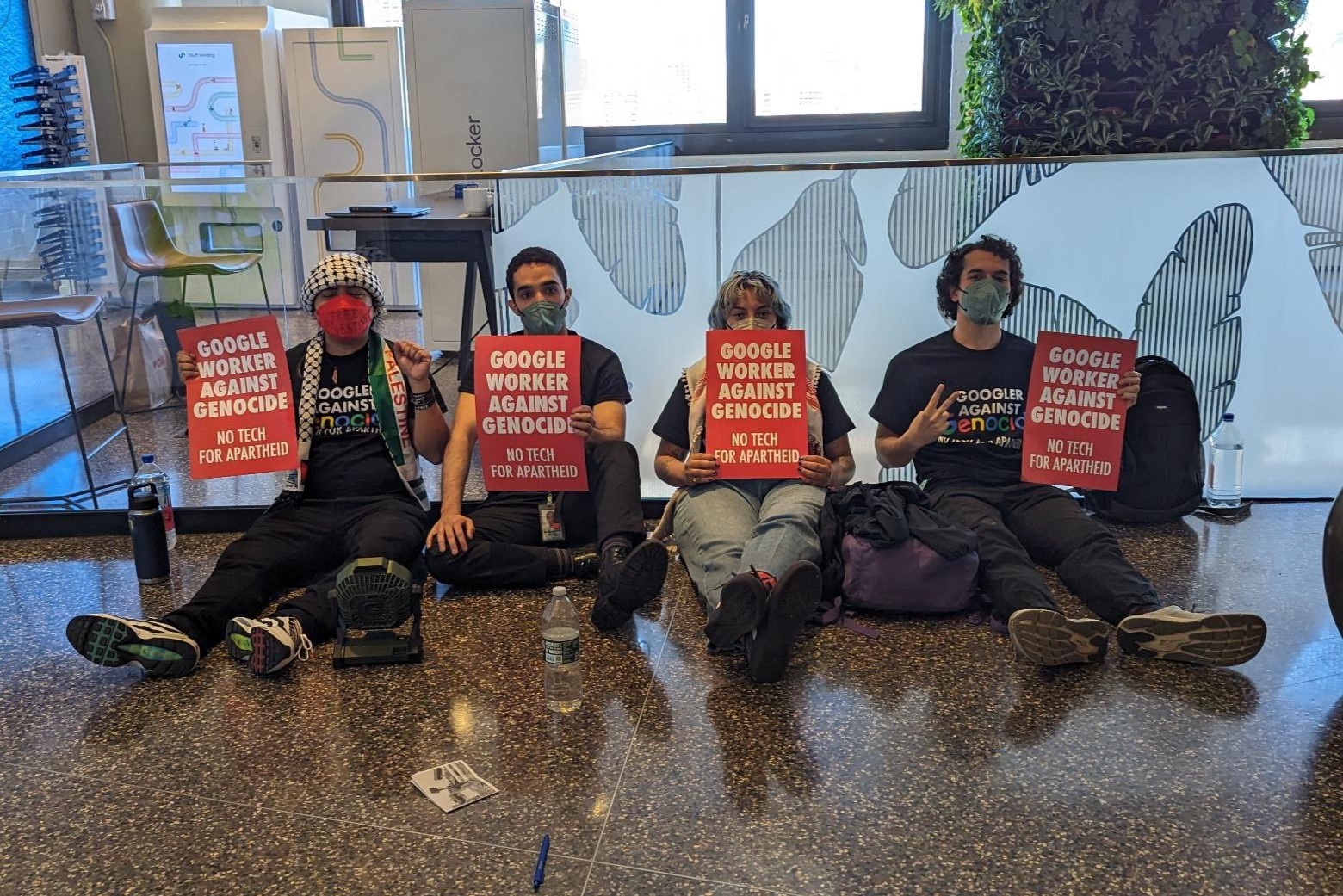
Luc Rousselet, who manages one of 3M’s French factories, recently told reporters that talks between his company and its employees were a good thing. This, however, was only after he was kept in his office for more than 24 hours by workers he was intending to fire. This case, along with similar situations, has been dubbed a “bossnapping.”
The knock-on effects of the crisis have already hit Hungary, Lithuania and Latvia. Other countries in the region are also in the firing line. Governments are going down like ninepins. There is no end in sight to the economic and political turmoil. The so called "emerging" economies have been brought to their knees.
On 23rd March 1989 the oil tanker Exxon Valdez left normal shipping
lanes and smashed into the Bligh Reef in Prince William Sound, Alaska.
Within hours, the once mighty vessel had spilled over ten million
gallons of oil into the icy waters: the largest oil spill in ever
recorded in US waters.
As the company responsible, Exxon Mobile was slow to act.
Page 1 of 40